




Dalarna is often described as the cultural heart of Sweden - a region where tradition, folklore, craftsmanship, and history come together in a vibrant tapestry. From the world‑famous Dala Horse and the iconic Falu Red Paint to deeply rooted Midsummer traditions, Dalarna offers some of the most authentic and influential cultural experiences in Scandinavia.
This guide explores Dalarna’s rich heritage and provides insight into the stories, symbols, and traditions that continue to shape Swedish identity today.
Swedish Icons from Dalarna
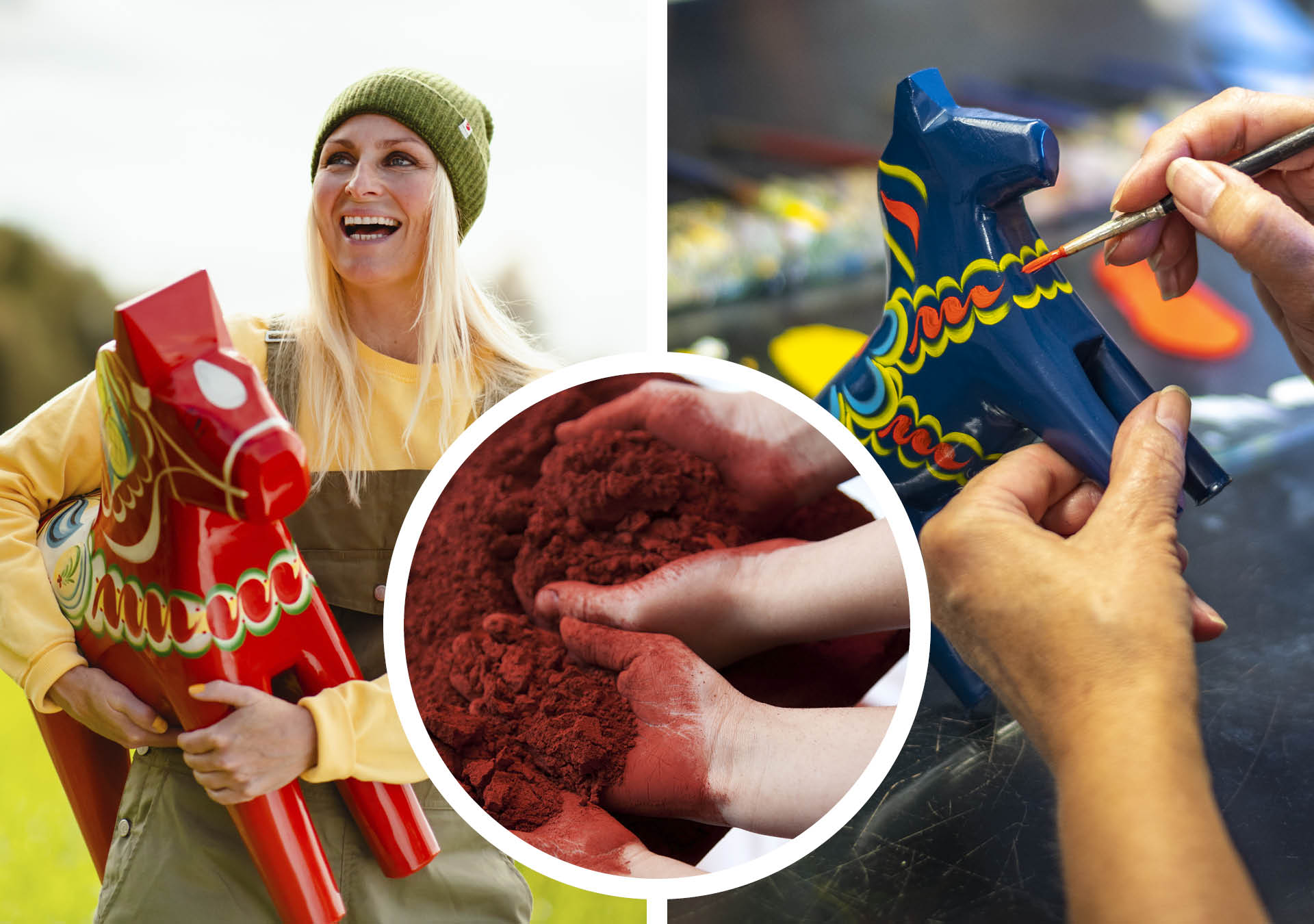
The Dala Horse: A Symbol of Sweden
The Dala Horse (Dalahäst) has become a global symbol of Sweden’s folk culture. Originating in the villages around Mora - especially Nusnäs - the wooden horse evolved from a simple carved toy into a piece of traditional Swedish folk art, painted in vibrant colors and decorated with kurbits patterns. Today, the Dala Horse remains one of the strongest symbols of Scandinavian craftsmanship and stands at the center of Dalarna’s cultural identity.
Falu Rödfärg: The Color That Painted a Nation
Equally iconic is Falu Rödfärg, the deep red paint derived from the by‑products of copper mining in Falun. Known worldwide as Swedish red, this paint has preserved Swedish wooden houses for centuries and has come to define the look of the Scandinavian countryside. Its origins in Dalarna make it not just a product, but a symbol of Sweden’s rural heritage.
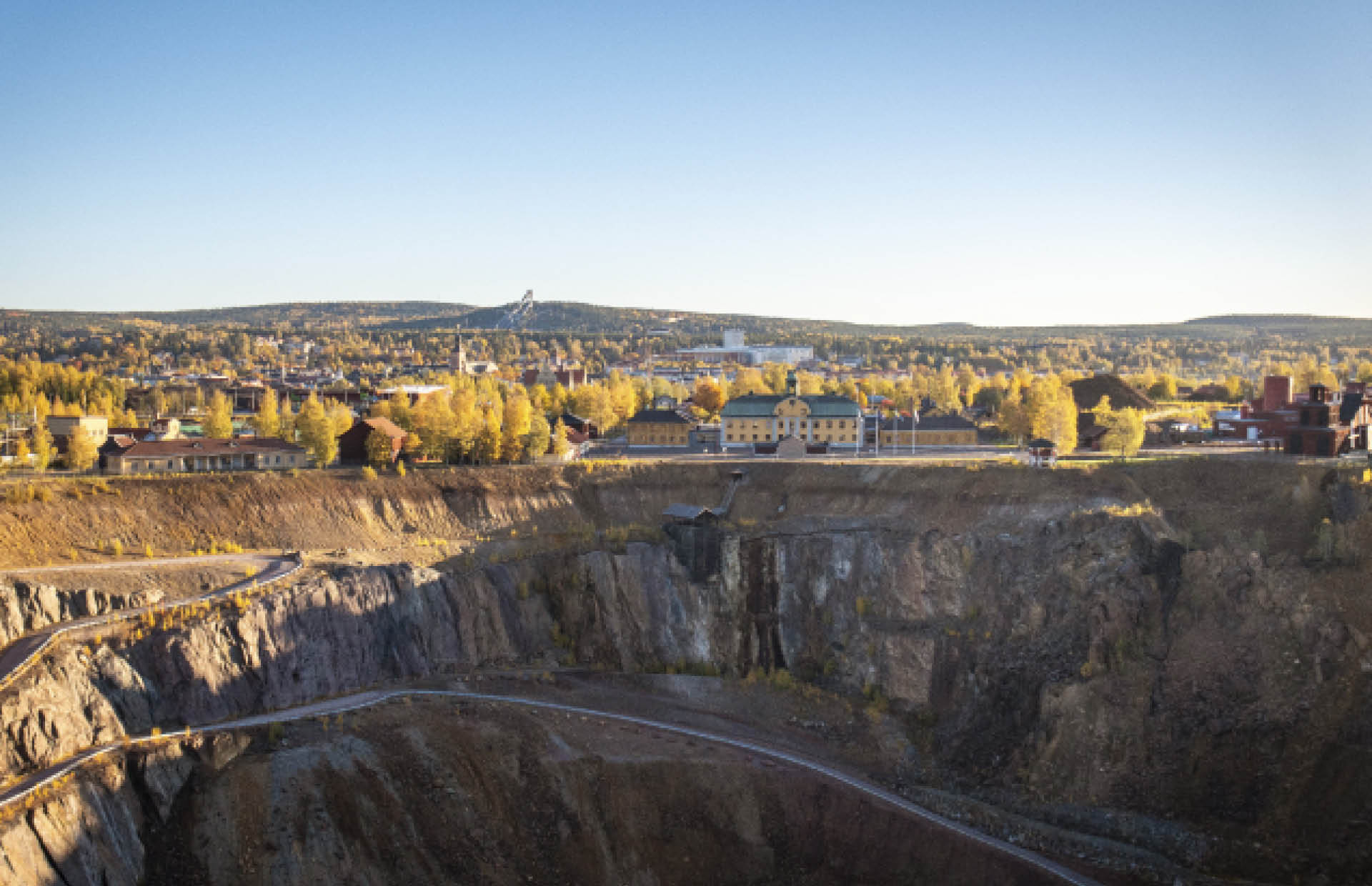
Falun Mine: A UNESCO World Heritage Site
The legendary Falun Mine (Falu Gruva) has shaped Sweden’s history for nearly a thousand years. At its peak, the mine produced a large share of Europe’s copper, fueling Swedish economic development and technological innovation. Today, visitors can explore underground tunnels, learn about historic mining techniques, and view the enormous Great Pit. As part of the UNESCO World Heritage Site of Falun, Falun Mine remains one of Scandinavia’s most important industrial landmarks.
Midsummer in Dalarna: Sweden's Most Traditional Celebration
While Midsummer is celebrated across Sweden, Dalarna hosts the most authentic and vibrant Midsummer traditions in the country. Here, Midsummer is more than a festivity—it is a profound expression of togetherness, cultural identity, and living folklore. Villages and families come together, contributing flowers, greenery, music, and energy.
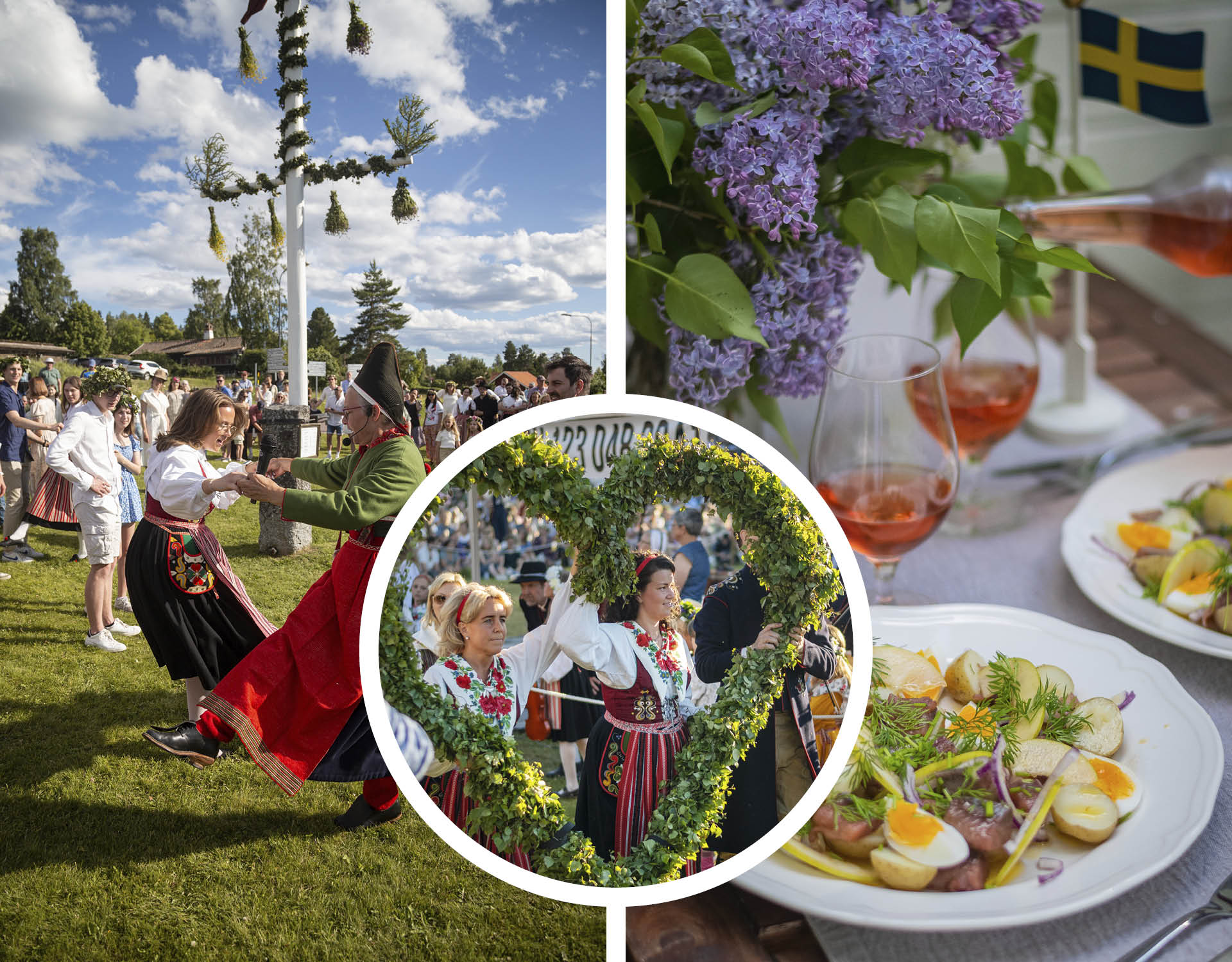
What makes Midsummer in Dalarna truly exceptional?
• Traditional folk costumes with unique parish‑specific patterns
• Live fiddle music, dancing, and ring dances around the maypole
• A strong sense of community, where residents and visitors celebrate side by side
• The classic Midsummer buffet enjoyed outdoors: pickled herring, new potatoes cooked with dill, sour cream, chives, grilled dishes, and fresh strawberries
• Flower wreaths, greenery, and customs that connect people to nature and old folklore traditions
• Sweden’s largest Midsummer celebration in Gropen, Leksand
If you want to experience a true Swedish Midsummer celebration, Dalarna is unmatched.
Artistic Superstars from Dalarna
At the turn of the 20th century, Dalarna was home to two of Sweden’s greatest artistic celebrities - Carl Larsson and Anders Zorn - both of whom rose to international fame and helped shape how the world views Swedish culture and aesthetics.
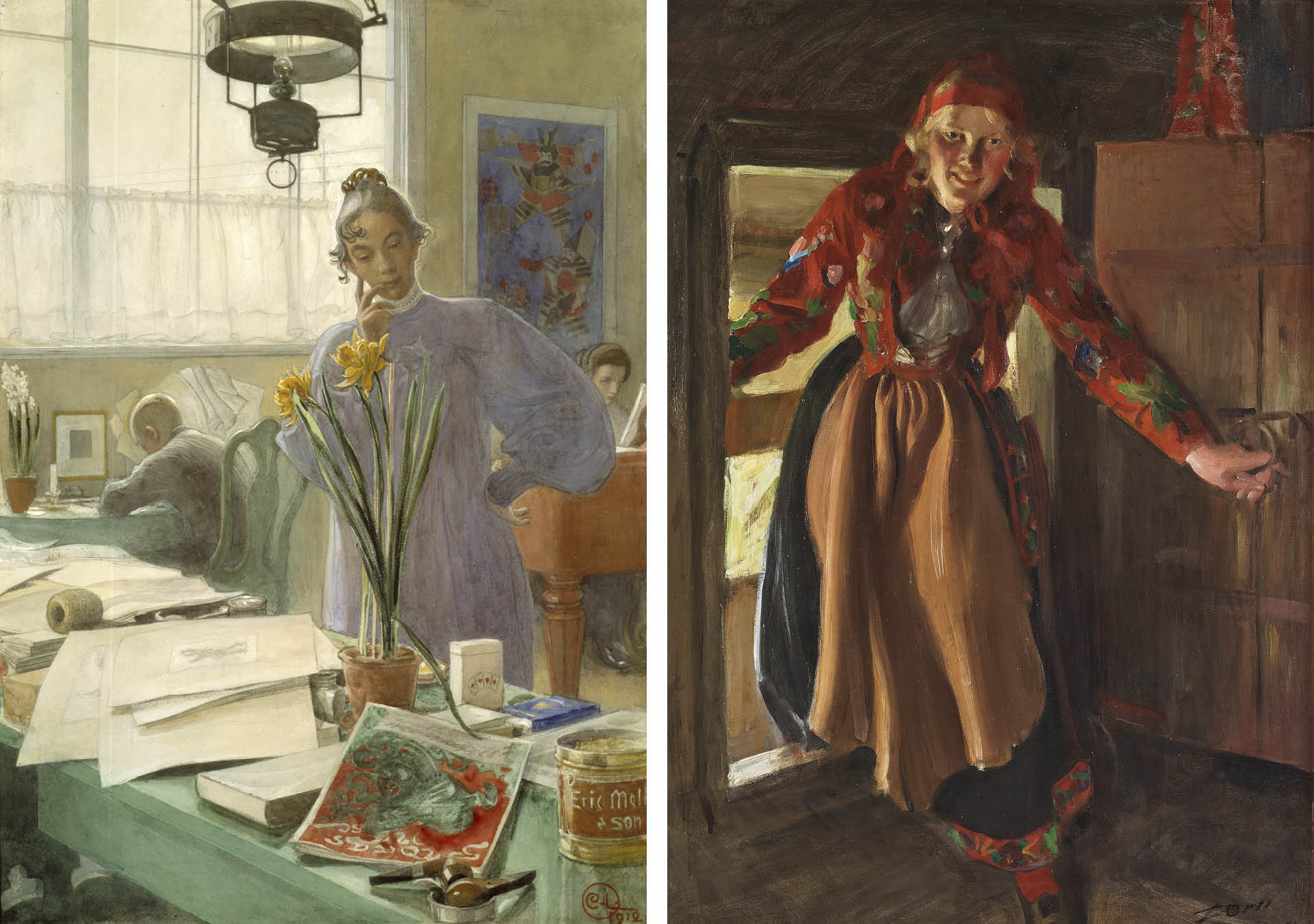
Carl & Karin Larsson: The Creative Power Couple Who Defined the Swedish Ideal
Carl Larsson became world‑famous for his warm, intimate watercolors depicting family life in Sundborn—images that came to represent the very essence of Swedish domestic harmony.
Behind this global success was Karin Larsson, a visionary textile artist and designer whose work was far ahead of its time. She created bold, modern textiles, furniture, and clothing that shaped the interiors Carl painted and became central to the Scandinavian design tradition.
Their home, Lilla Hyttnäs, is today one of the world’s most recognizable artist homes and a symbol of Swedish interior design and family life.
Anders Zorn: The International Portrait Star Who Painted Presidents
Anders Zorn built a remarkable international career and became one of the most sought‑after portrait painters of his era. His clientele included three U.S. presidents—Grover Cleveland, William Howard Taft, and Theodore Roosevelt—placing him among the highest‑ranked portrait artists of his time.
He also became known for his depictions of women bathing outdoors, his vivid portrayals of Nordic light, and his scenes of folk life from his hometown Mora.
In Mora, the Zorn Museum houses the world’s largest collection of Zorn’s works, and right next to it stands Zorngården, the preserved home of Anders and Emma Zorn. Both are cultural treasures that reflect his artistry and enduring legacy.
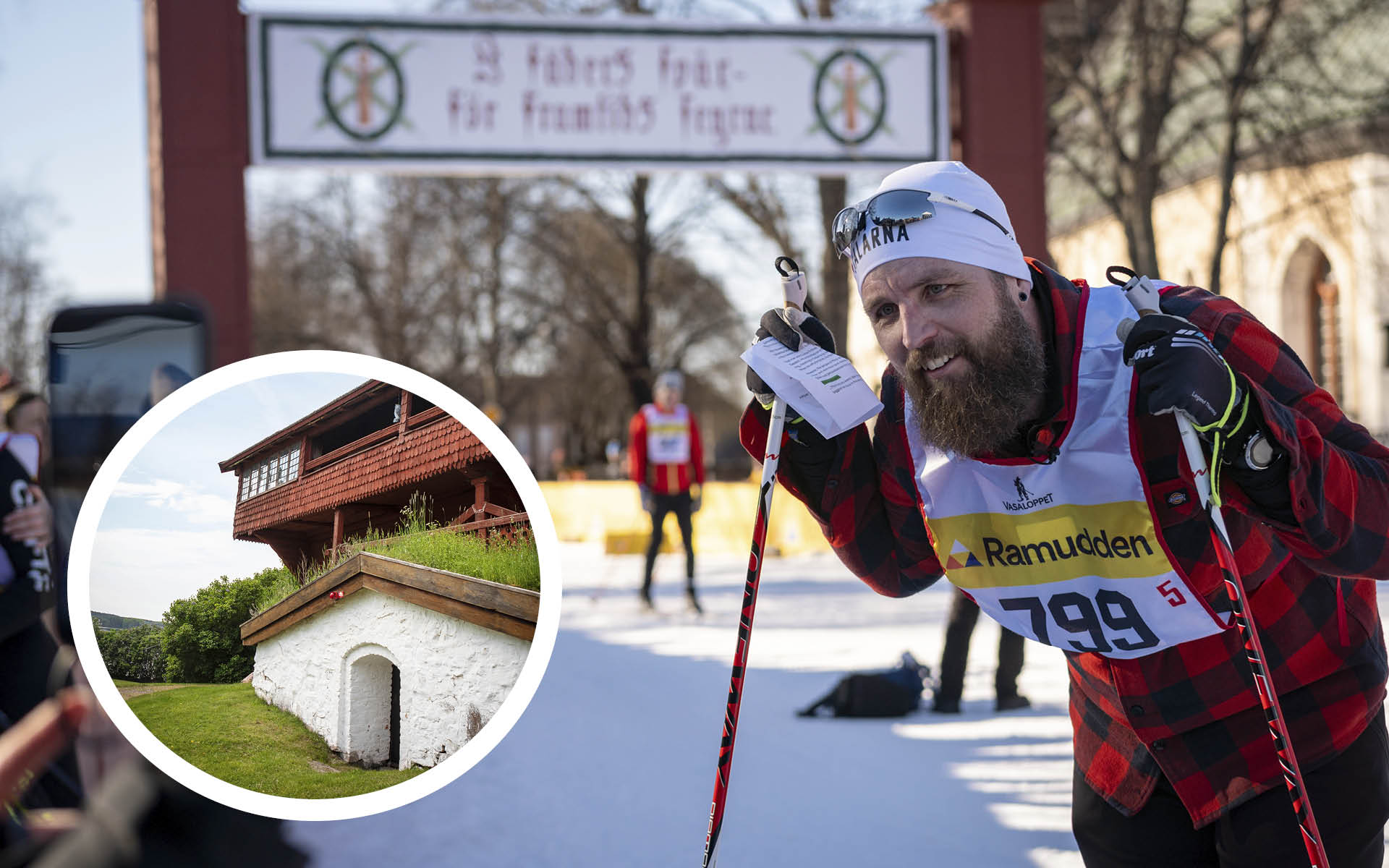
Gustav Vasa’s Escape Through Dalarna and the Origins of Vasaloppet
The story of Gustav Vasa’s escape through Dalarna is one of Sweden’s most dramatic historical legends. In the winter of 1520-1521, while fleeing Danish forces, Gustav Vasa traveled from village to village across the region seeking support for a rebellion that would ultimately lead to Swedish independence.
Stories about his journey can be found throughout Dalarna. One example is Ornässtugan in Borlänge, a beautifully preserved medieval manor where Vasa sought protection but had to make a daring escape by climbing down through the manor’s privy. Today, Ornässtugan is a museum showcasing this dramatic moment and the broader struggle for freedom.
The most famous part of Vasa’s journey—when he fled toward Norway but turned around in Sälen and returned to Mora—became the inspiration for Vasaloppet, the world’s oldest and largest cross‑country ski race. Each year, tens of thousands of participants ski the 90‑kilometer route from Sälen to Mora, retracing the path that helped shape Swedish history.
The Southernmost Sámi village in Sweden
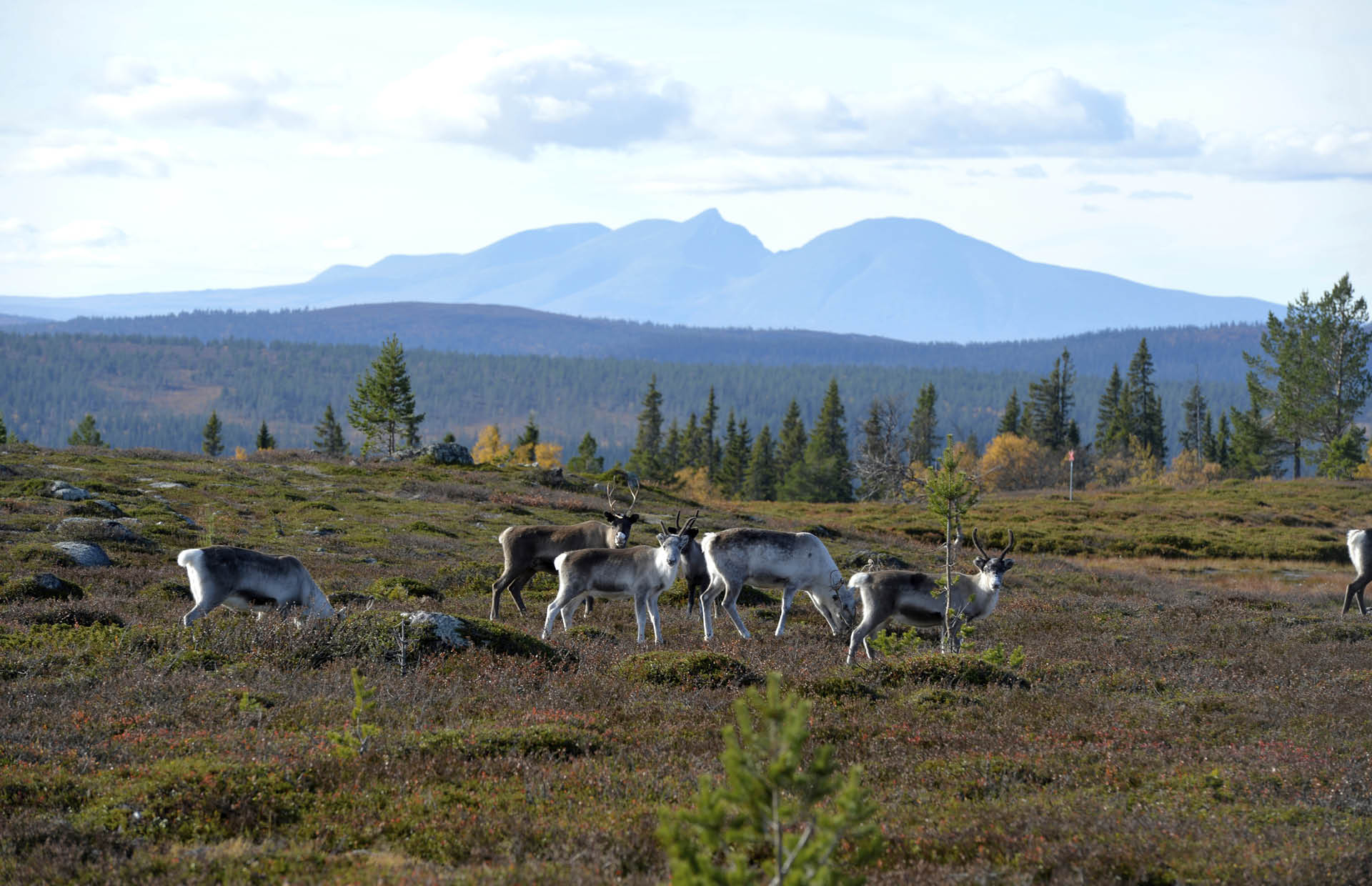
In northern Dalarna, around Idre and Grövelsjön, lies Sweden’s southernmost Sámi reindeerherding community. Here the reindeer graze freely on the mountain slopes and in the forests.
This area offers visitors a unique opportunity to explore Sámi traditions, from handicrafts (duodji) to guided cultural experiences that honor one of Europe’s oldest Indigenous cultures.
Why Dalarna Remains the Soul of Swedish Culture
Dalarna is not just a place - it is a living archive of Sweden’s cultural heritage, traditions, and national symbols. Whether you’re drawn to folklore, traditional celebrations, historic sites, art, or Indigenous culture, Dalarna offers an unparalleled journey into the roots of Swedish identity.
FAQ - Cultural Heritage of Dalarna
1. What makes Dalarna the cultural heart of Sweden?
Dalarna is home to many of Sweden’s most iconic traditions, including the Dala Horse, Midsummer celebrations, Falu Red Paint, and historic sites such as Falu Mine. Its strong preservation of folk customs sets it apart from other regions.
2. Where can I see authentic Dala Horses being made?
Nusnäs, outside Mora, is the traditional center of Dala Horse production. Workshops here allow visitors to watch the carving and painting process.
3. Why is Falu Rödfärg so important in Swedish culture?
The pigment originates from the Falun Copper Mine, and the distinctive red paint has been used for centuries on Swedish wooden houses. It symbolizes Swedish rural heritage and craftsmanship.
4. Why is Midsummer especially traditional in Dalarna?
Villages in Dalarna maintain some of Sweden’s oldest Midsummer customs, including unique folk costumes, local maypoles, and traditional music.
5. What is the historical connection between Gustav Vasa and Dalarna?
Gustav Vasa fled through Dalarna in 1520 during his rebellion against Danish rule. His legendary journey inspired the creation of Vasaloppet, the 90km ski race held annually.
6. Can I experience Sámi culture in Dalarna?
Yes. The region around Idre and Grövelsjön is home to Sweden’s southernmost Sámi reindeer-herding community, offering cultural experiences and insights into Sámi traditions.