



The red Dala horse is a well-known symbol for both Sweden and Dalarna. Even today, the original is made in the village of Nusnäs outside Mora, where it is also possible to visit the Dala horse factory and see up close how the production is done. Here, the craftsmanship and tradition are constantly alive, as each dalahäst is carved and painted by hand.
The Dala horse comes from Mora
As early as the 18th century, people in the villages around Mora began carving wooden horses. At that time, it was mainly to pass the time during the evenings in the log cabins in the forest. At that time, the horses were mainly toys for the children. The horses were then taken by itinerant farm traders on their sales trips. During the 1830s, the horses began to be painted and get the now iconic kurbits pattern. When a large red dalahäst stood at the entrance to Sweden's pavilion at the World Exhibition in New York in 1939, it had its international breakthrough and its status as a symbol of Sweden.
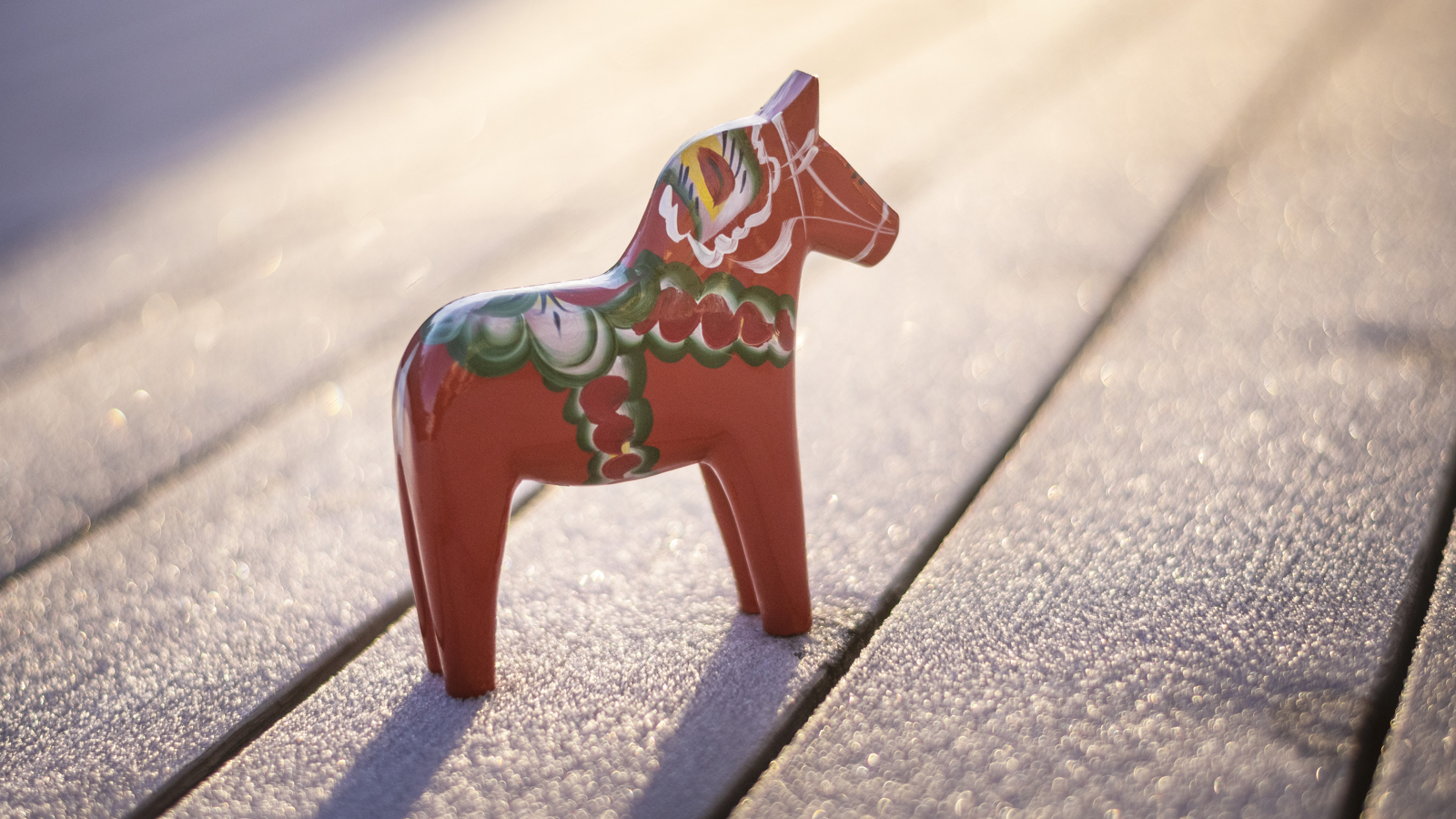
Visit the Dala horse production in Nusnäs
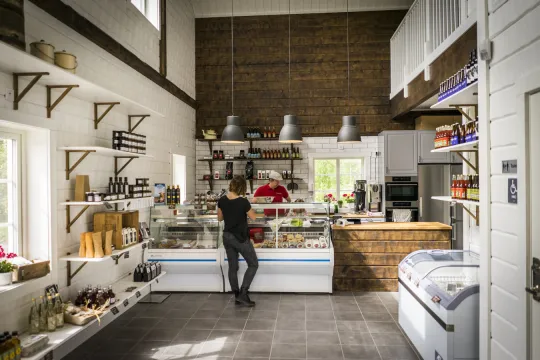
The village of Nusnäs outside Mora is a popular destination for those who want to get really close to the origins of the Dala horse. Nils Olsson Dalahästar has been making Dala horses since 1928. Each horse is carved by hand and then decorated with its characteristic kurbits painting by skilled artisans.. Visit the production and follow every step of the process, from the piece of wood to the finished horse. In the shop there is a large selection of Dala horses in different colours and designs, although the classic red horse is of course the main attraction. There are also clogs with kurbits, handicrafts from Dalarna and gifts. Also take the opportunity to paint your own dalahäst and try to imitate the original kurbits pattern – or go out of your way and create your own modern dalahäst.
The world's largest collection of Dala horses
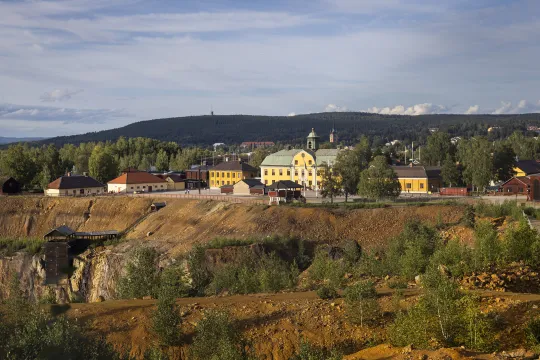
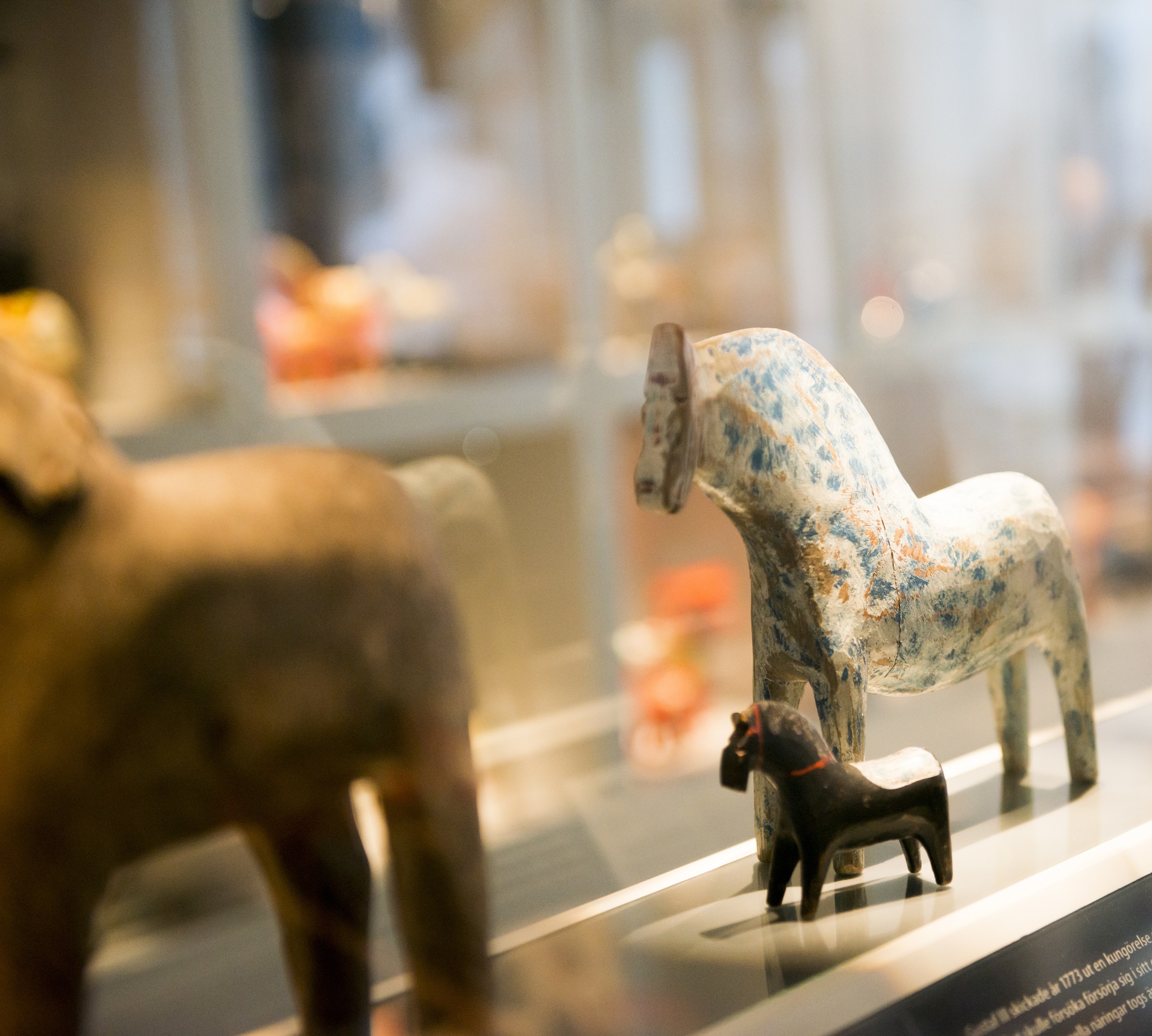
At Dalarna's museum in Falun there is the world's largest collection of Dala horses. Here is a permanent exhibition with horses in different colours, models and sizes. Take part in the history and diversity of the Dala horse. In addition to the Dala horse exhibition, there is of course much more to look at. Folk costumes and Dalarna paintings are mixed with modern elements. In Falun there are also other exciting attractions, such as Falu Gruva, the Carl Larsson house and several attractive gardens.
The world's largest dalahäst
Of course, the world's largest dalahäst is also in Dalarna, more specifically in Avesta. The Dala horse is 13 meters high and 12.8 meters long, with a total weight of 66.7 tons. However, this variant is not made of wood like its smaller siblings, but has a steel frame with a shell of shotcrete. The traditional red color and kurbits painting, on the other hand, are exactly the same. While you're in Avesta, take the opportunity to take part in even more culture – such as an exhibition at Verket/Avesta Art, Avesta's oldest district, the Old Village, or the poet Erik Axel Karlfeldt's childhood home Karlfeldtsgården.
Always check the current opening hours with each provider before your visit.